


Sustainable Knitwear Manufacturing: A Smarter Future for Fashion
At AJ Apparel International, sustainability is not just a trend—it is an opportunity to be creative, innovative, and responsible. As a
custom knitwear manufacturer
specializing in wholesale and private label clothing manufacturing, we work with brands across
New Mexico and the United States to build collections that respect both people and the planet.
Being environmentally responsible goes beyond reducing carbon footprints. Ethical apparel manufacturing strengthens communities, supports responsible supply chains, and creates long-term value for fashion brands.
Challenges in the Global Fashion Industry
The fashion industry faces major challenges including pollution, excessive water consumption, labor rights concerns, and textile waste. According to global sustainability reports, millions of garments are discarded every year, contributing heavily to landfills.
Reducing textile waste is one of the most effective ways brands can lower their environmental footprint. Organizations like
Ellen MacArthur Foundation
actively promote circular fashion and waste reduction practices worldwide.
What Sustainable Fashion Looks Like Today
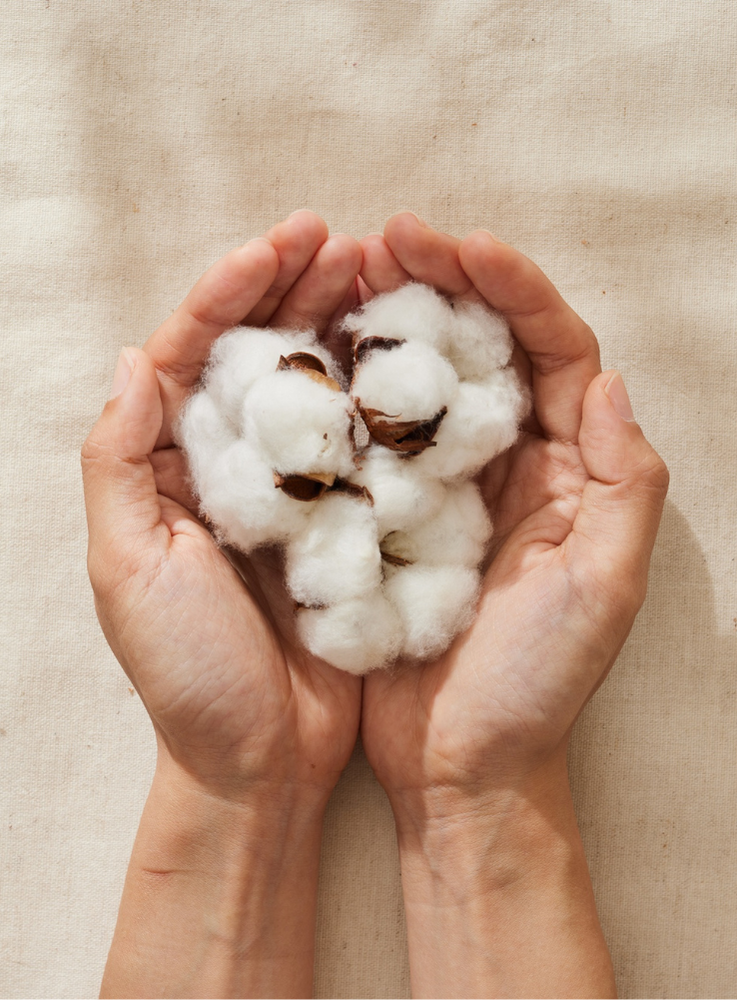
Sustainability means different things to different people. Some consumers choose sustainable fashion brands, while others prefer thrifting, repairing garments, or investing in timeless wardrobe essentials. From a manufacturing perspective, sustainability starts with better design and responsible production.
At AJ Apparel International, we partner with brands that value durability, fabric quality, and ethical sourcing—principles recommended by platforms like
Vogue Sustainability.

The Rise of the Conscious Consumer
Today’s consumers are more educated, socially aware, and intentional with their purchases. They actively seek transparency, ethical production, and long-lasting garments. This shift—especially driven by younger generations—is transforming the apparel industry.
Brands working with ethical clothing manufacturers are better positioned to meet modern consumer expectations and build long-term trust.
From Design Concept to Knitwear Production
Private label clothing production typically begins with a rough sketch or design concept. This evolves into technical flats and production-ready specifications.
Fabric selection is a critical step. Every year, new sustainable materials and recycled yarns enter the market, offering brands more environmentally friendly options than ever before.
Innovating with Sustainable Materials
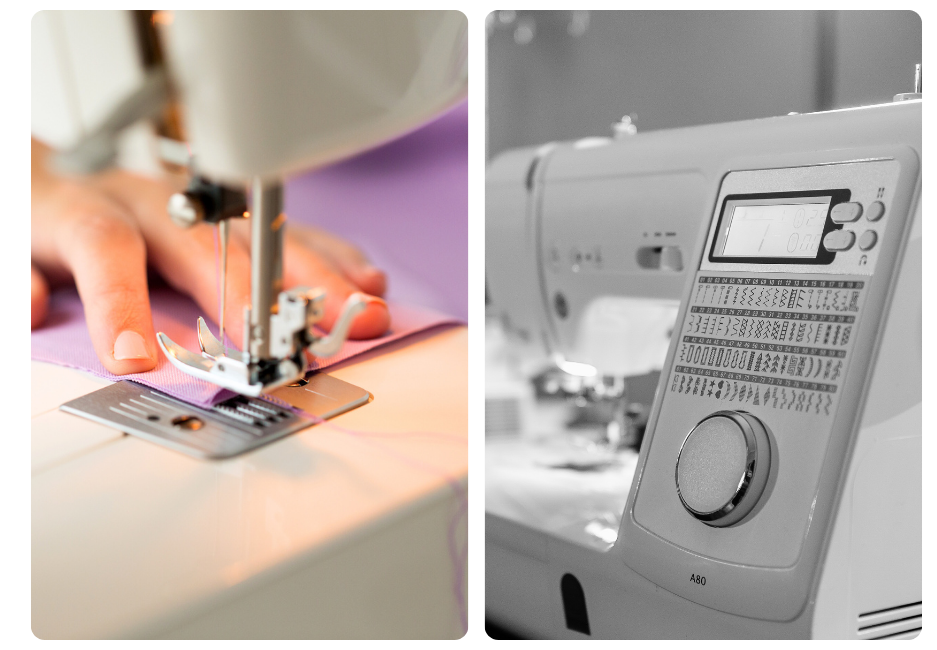
Performance garments once relied heavily on non-sustainable materials. Today, innovations such as recycled polyester and low-impact yarns allow manufacturers to combine durability, comfort, and sustainability.
Resources like
Textile Exchange
highlight how recycled fibers and responsible sourcing are shaping the future of apparel manufacturing.
Timeless Design Over Fast Fashion
Fast fashion trends fade quickly and contribute to waste. We encourage brands to focus on classic knitwear staples—pieces that remain stylish and functional for years.
Quality knitwear should have multiple lives. Strong construction, reinforced seams, and premium yarns ensure garments can be worn, reused, and passed on.
Quality That Lasts
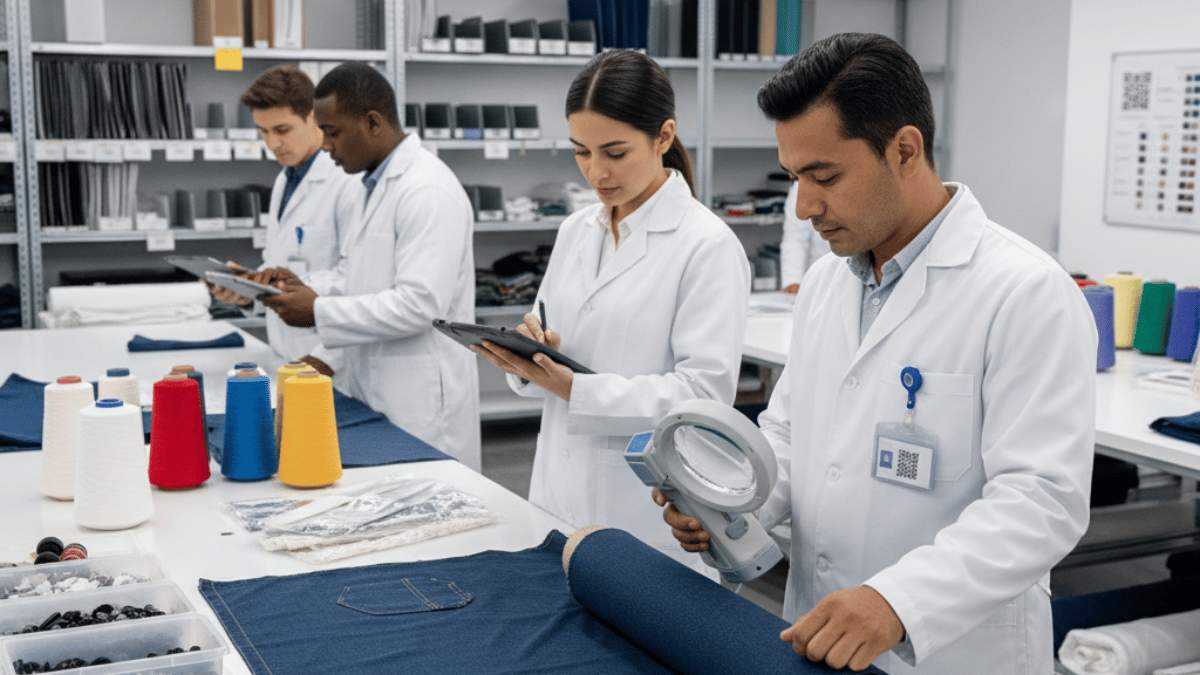
Experienced designers and conscious consumers evaluate garments beyond brand labels. Stitch quality, seam durability, and fabric composition define long-term value.
Natural fibers and well-balanced blends typically offer better wearability. Choosing timeless silhouettes over extreme trends ensures collections remain relevant season after season.
Your Trusted Knitwear Manufacturing Partner
Whether you are launching a private label brand, scaling wholesale knitwear production, or building a sustainable apparel line,
AJ Apparel International
is your trusted manufacturing partner.
By choosing responsible manufacturing and investing in quality knitwear, brands can reduce environmental impact while delivering long-term value to customers. How you design and manufacture today shapes the future of fashion.